Our lab investigates the structure and biology of tooth cementum across the lifespan. We have particular interest in age- and disease-related changes in cementum composition, architecture, and biomechanical properties, providing deeper insight into how these shifts affect periodontal integrity, function, and regeneration.
| Assistant Professor | Periodontics
Key Goals, Scientific Questions, and Impact on the Field and Community
Key Goals and Scientific Questions
Our research aims to define how cementum dynamically adapts over time and during periodontal disease using integrated in vitro and in vivo approaches. We examine how structural and mechanical changes affect periodontium stability and repair, while analyzing molecular signals, including inflammatory mediators and candidate miRNAs, to link gene regulation with tissue-level function. Together, these studies work towards uncovering fundamental principles that govern mineral-matrix interactions in periodontal tissues.
Broader Impact on the Field and Community
Our research advances the fundamental understanding of cementum, a historically understudied yet clinically essential dental tissue. By revealing how cementum changes with age and disease, our work has the potential to improve the diagnosis, prevention, and management of periodontal disease, particularly in aging populations. Beyond generating scientific knowledge, our lab is committed to training interdisciplinary researchers and fostering translational approaches that bridge basic science and clinical dentistry, ultimately supporting improved oral health outcomes and quality of life across diverse communities.
Biochemical and Mechanical Adaptations of Cementum During Aging and Periodontal Disease
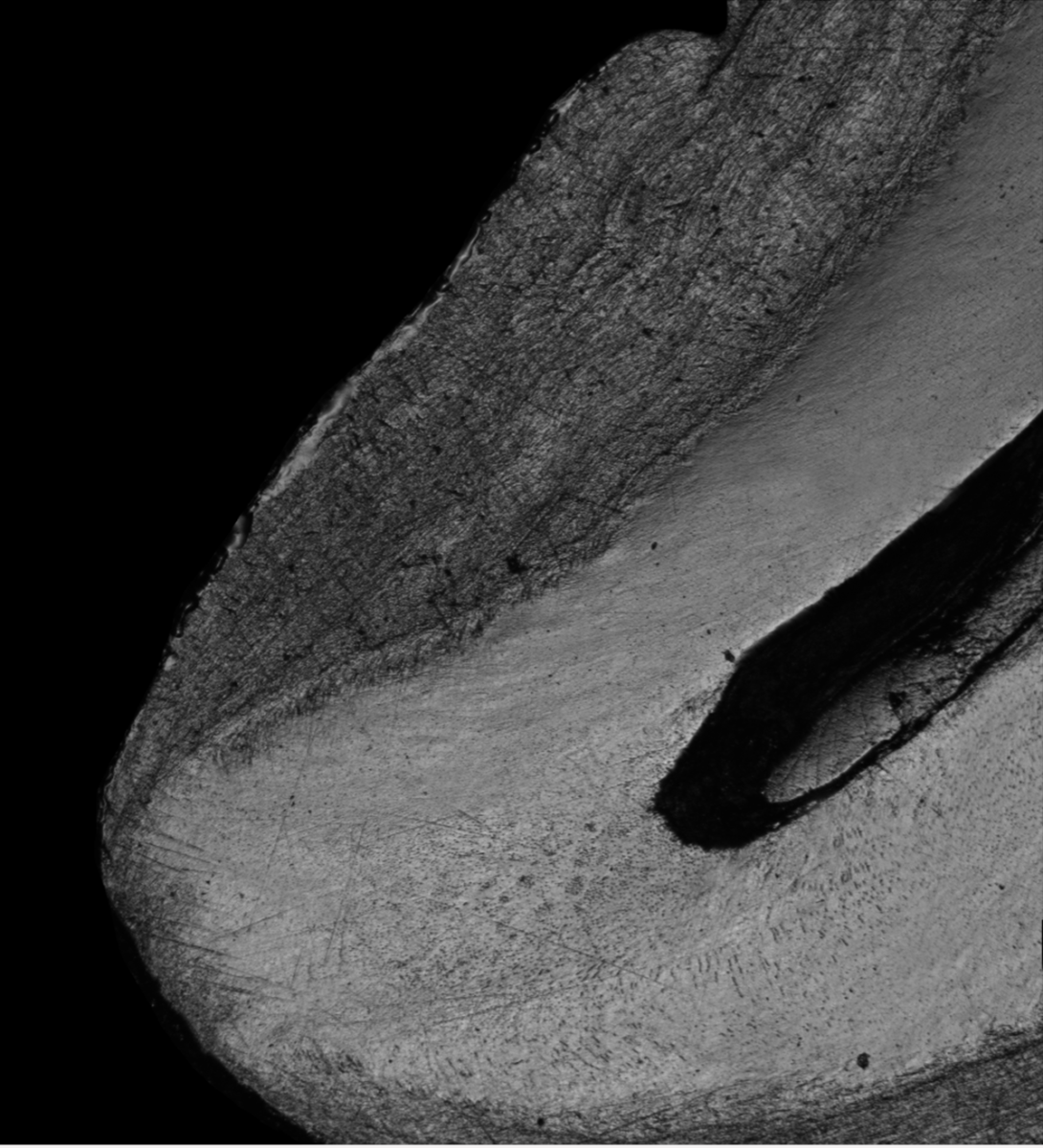
The ability of cementum to withstand mechanical forces and inflammatory challenges is critical to periodontal stability. Aging and periodontal disease can compromise cementum’s biochemical composition and mechanical integrity, limiting its capacity for repair. Using a ligature-induced murine periodontitis model, we are looking to examine how age and inflammation alter cementum structure, composition, and functional properties. Our studies integrate morphometric and microstructural analyses with chemical and physico-mechanical testing to link molecular and tissue-level changes with periodontal functionality.
Cementum Matrix Dynamics in Aging and Periodontal Disease
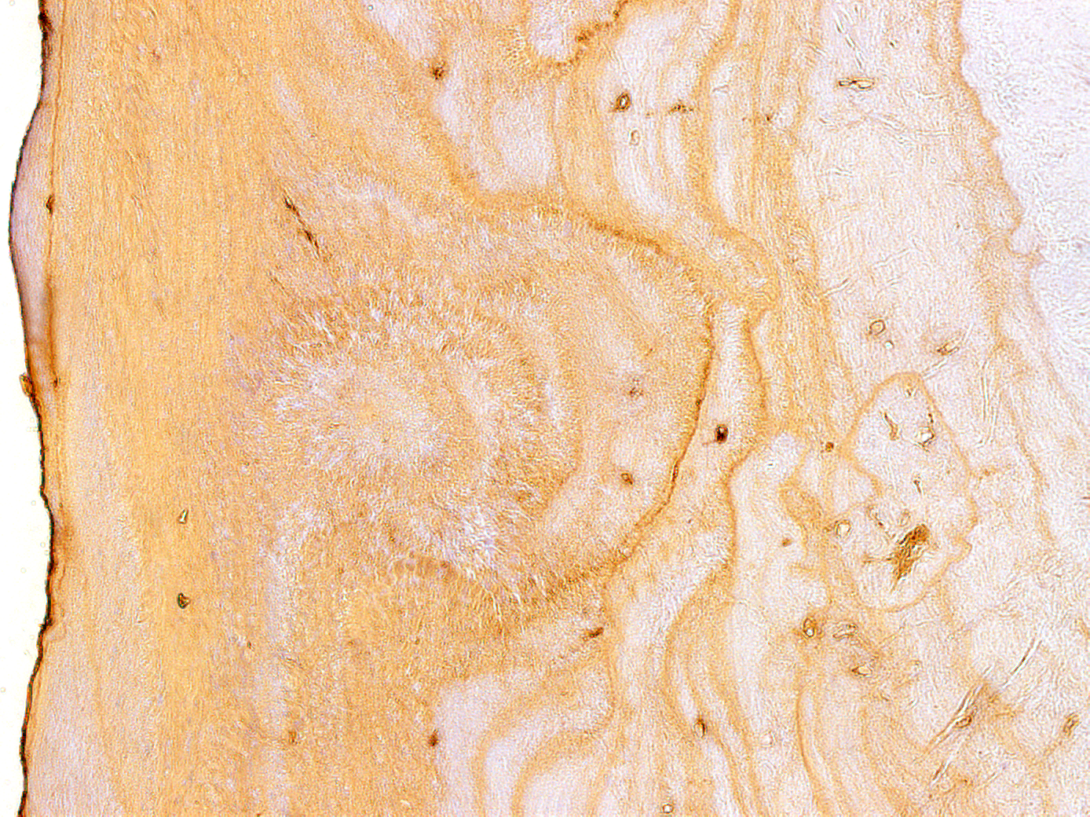
Cementum anchors teeth to surrounding periodontal tissues, yet how its matrix composition evolves with age and disease remains largely unexplored. Aging may reduce critical matrix proteins, while periodontal disease further disrupts the matrix, particularly in cellular cementum. By profiling healthy and diseased tissues across multiple age groups, we aim to uncover molecular signatures that define cementum function, structural integrity, and resilience. To achieve this, we combine semi-quantitative and quantitative proteomics with spatial transcriptomics to map gene expression in acellular and cellular cementum and reveal how age- and disease-related changes affect tissue function.
Cellular Models of Cementoblast Biology

Cementoblasts are the primary regulators of cementum formation, maintenance, and repair, yet studying them in primary culture is challenging due to their close association with mineralized cementum and the periodontal ligament. We are interested in establishing a reproducible strategy to isolate murine cementoblasts and define their morphological and molecular identity. By characterizing cell morphology, proliferation, gene and protein expression of key cementum markers (CEMP1, CAP, BSP, OCN, OPN), and benchmarking primary cells against cementoblast-like cell lines, this work will provide a reliable platform for mechanistic studies and translational applications in cementum and periodontal biology.
Inflammatory and miRNA-Mediated Regulation of Cementum in Aging and Disease
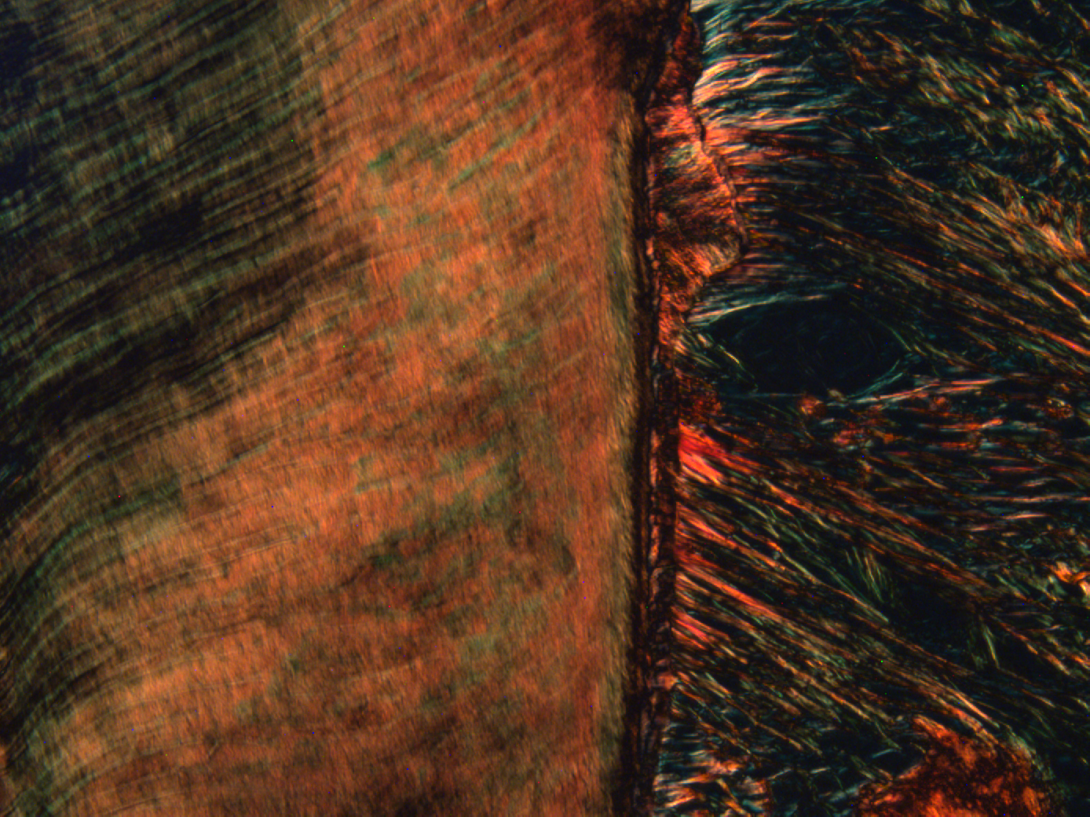
Inflammatory signaling drives periodontal tissue remodeling, but its direct impact on cementum remains poorly defined. Aging and chronic inflammation may alter cytokine and miRNA networks, influencing cementum homeostasis and repair. We examine pro- and anti-inflammatory pathways in cementum, profiling mediators such as IL-1β, IL-6, IL-8, TNF-α, and IL-10 alongside candidate miRNAs. Using a ligature-induced periodontitis model, we integrate molecular profiling with tissue-level analyses to identify key regulators of cementum responses to aging and disease.
Publications and Team
News